.png)
Wild Youth Foundation
Glue Traps
Every campaign has a beginning. Ours started with a single photograph.
One evening, while scrolling through Instagram, I came across an image of a robin trapped on a glue trap. I'd never heard of glue traps before, but the sight was impossible to forget. The tiny bird was stuck, unable to escape, terrified and slowly dying.

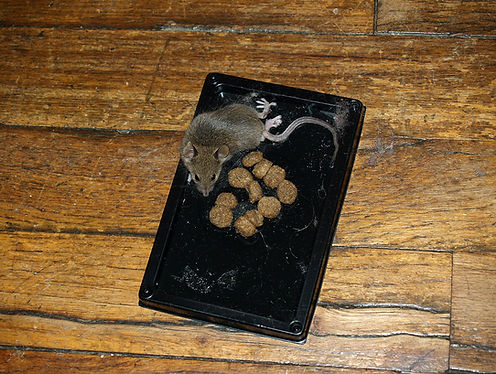
Glue traps are sheets of incredibly strong adhesive designed to capture rodents. Rather than killing instantly, they trap animals alive. Unable to free themselves, they can remain stuck for hours or even days, suffering from dehydration, exhaustion, starvation, broken bones and severe stress as they desperately try to escape. Tragically, they don't just catch rats and mice. Birds, hedgehogs, bats, squirrels, reptiles, and even family pets have all fallen victim to these indiscriminate traps.
The more I researched, the more shocked I became. Scientists, veterinarians and animal welfare organisations had long described glue traps as one of the cruellest forms of pest control, yet they were still legal and widely available.
I knew I couldn't simply scroll past and forget what I'd seen.
Looking for ways to help, I found an existing petition calling for a ban on glue traps. It had already been running for three months and had attracted fewer than 100 signatures, meaning there were only three months left before it closed. I had two options: wait for the petition to end and launch a new one from scratch, or throw my support behind the existing petition and do everything I could to give it a fighting chance. I chose the latter.
I created an Instagram page dedicated to the campaign and began producing educational content to expose the cruelty of glue traps. What started as a small awareness campaign gradually gained momentum, with thousands of people joining the cause. Through social media, radio interviews, written articles, and countless messages encouraging people to get involved, the petition gathered extraordinary support. At one point, it became the fastest-growing petition in the UK, eventually receiving more than 41,000 signatures.
In 2022, after years of campaigning by individuals, charities and parliamentarians, the Glue Traps (Offences) Actcompleted its passage through Parliament, making the use of glue traps illegal in England except under tightly controlled licensing exemptions.
This campaign taught me something I'll never forget: meaningful change often starts with one person deciding not to scroll past. Sometimes all it takes is compassion, determination and thousands of people willing to act together.
This was Wild Youth's first mission—and it showed that ordinary people really can change the law.

Why the Glue Traps Campaign Inspired Wild Youth
The Glue Traps campaign had a lasting impact on me, not just because of what we achieved, but because it showed me what is possible when people turn their passion into action.
It made me realise that there are so many people who care deeply about animals, wildlife and environmental issues, but may not know where to start, how to build a campaign, or how to make their voice heard.
That experience inspired me to create Wild Youth Consultancy as a way of sharing what I have learned through campaigning and helping others turn their own ideas into meaningful action.
Whether it’s a grassroots campaign, a charity initiative or an organisation looking to make a greater impact, I want Wild Youth Consultancy to provide the practical guidance, strategy and support needed to turn passion into effective campaigning.
The Glue Traps campaign showed me that change is possible. Wild Youth Consultancy exists to help others make it happen.